
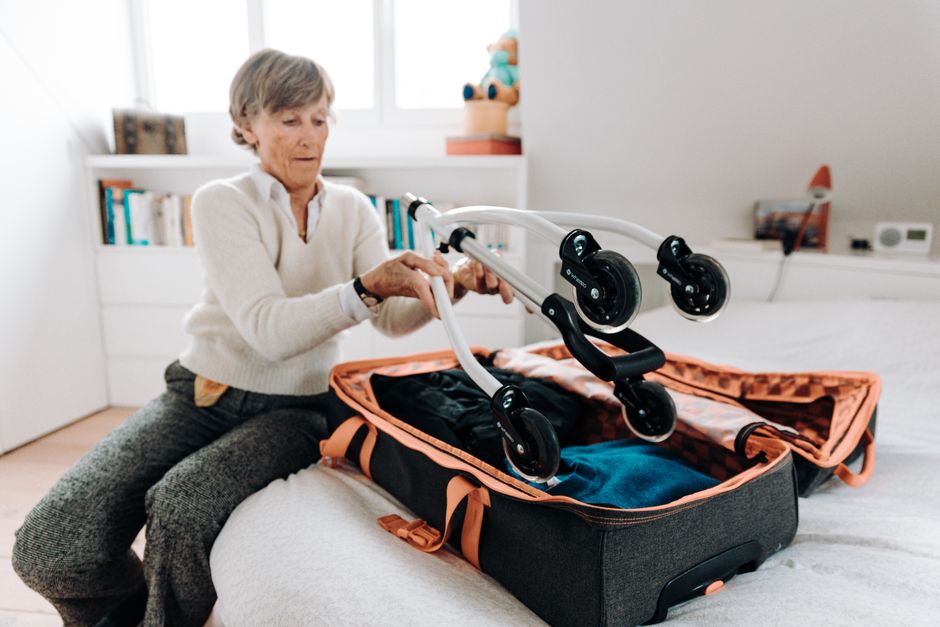
Moving to assisted living can feel overwhelming because it combines a change in housing, daily routines, healthcare needs, and family responsibilities. A smoother transition usually comes from planning in stages, discussing preferences openly, and making the new apartment feel familiar rather than starting from scratch.
What should be done before the move?
The most helpful preparation begins several weeks before moving day. Create a written plan that covers the move, medications, personal belongings, transportation, paperwork, and the first few days after arrival.
Start by identifying the decisions that require the most time:
- Which furniture will fit safely?
- What clothing is practical for the new space?
- Who will manage medications and appointments?
- Which personal items provide comfort or familiarity?
- What information should staff know about daily habits and health needs?
Ask the assisted living community for a floor plan and measurements. Mark the location of doors, windows, closets, bathroom fixtures, and electrical outlets. This makes it easier to choose furniture that leaves clear walking paths and avoids unnecessary clutter.
A move is also a good time to organize important documents. Keep copies of medication lists, emergency contacts, insurance information, advance directives, physician instructions, and financial or legal documents in a secure place. Family members should know where these records are stored.
How can belongings be downsized without making the move more stressful?
Downsizing works best when it is treated as a series of small decisions rather than one large clearing-out project. Begin with items that are rarely used, duplicated, damaged, or difficult to store.
Separate belongings into four groups:
- Bring to the new apartment
- Give to family or friends
- Donate or discard
- Review later
The “review later” category can prevent rushed decisions about sentimental possessions. Some people find it easier to photograph meaningful items before letting them go. A small memory box can hold photographs, letters, keepsakes, or other objects that have emotional value without taking up much space.
Prioritize function and familiarity. A favorite chair, bedside lamp, quilt, framed photograph, clock, or small bookshelf may help the new room feel recognizable. Too many possessions, however, can create fall hazards and make cleaning more difficult.
In homes with winter weather, keep practical seasonal clothing easy to reach. Residents may need warm coats, hats, gloves, nonslip footwear, and layered clothing for indoor and outdoor temperature changes. Labeling clothing and personal items can also reduce confusion during laundry routines.
What should families ask before moving day?
Families should request clear information about the first day, including arrival times, room access, meals, medication procedures, bathing support, personal care, and emergency communication. Expectations are easier to manage when they are discussed before the move.
Useful questions include:
- Who will greet the resident upon arrival?
- When will the initial care assessment take place?
- How are medications transferred, stored, and administered?
- What happens if the resident becomes ill or falls?
- How are dietary preferences and food allergies recorded?
- What personal care tasks can staff assist with?
- How are families notified about changes in condition?
- What items are not allowed or may create safety concerns?
Ask how the resident’s normal schedule will be documented. Details such as preferred wake-up time, bathing habits, favorite foods, sleep patterns, communication style, and mobility needs can help staff provide more individualized support.
A written summary can be especially useful. Keep it brief and update it as needed. Include the resident’s preferred name, communication needs, routines, relevant medical information, allergies, calming strategies, and important family contacts.
How can the new apartment feel more like home?
Familiar surroundings can reduce anxiety during the first several weeks. Arrange the room in a way that resembles the previous home when possible. For example, place the bed, chair, television, photographs, or reading materials in familiar positions.
Use visual cues that are easy to recognize. A distinctive wreath, colored cushion, labeled drawer, or family photograph near the door may help a resident identify the apartment. Avoid blocking hallways, bathroom access, or emergency equipment.
Lighting deserves special attention. Add soft lighting for evenings while keeping switches easy to reach. Nightlights may help with bathroom trips, especially for residents who have balance concerns or wake during the night.
Technology can support connection, but it should remain simple. A device with large icons, a familiar telephone, or a written list of family phone numbers may be more useful than complicated equipment. Test any device before moving day and make sure charging cords do not cross walking paths.
What should happen during the first week?
The first week should focus on orientation, observation, and reassurance rather than filling every hour with activities. A new resident may feel tired, distracted, or unusually emotional after the move.
Keep visits calm and predictable. Short visits may be more comfortable than long gatherings. Family members can help by walking through the room, reviewing the daily schedule, joining a meal, or accompanying the resident to one activity.
Pay attention to changes in:
- Sleep
- Appetite and fluid intake
- Mood or anxiety
- Confusion or disorientation
- Walking ability
- Bathroom habits
- Participation in activities
- Complaints of pain or discomfort
These observations should be shared with the appropriate staff members. A resident may need time to adjust, but significant or sudden changes should not be dismissed as ordinary homesickness.
Avoid making too many changes at once. If possible, keep familiar medications, routines, clothing preferences, and personal items consistent while the resident learns the new environment.
How can a resident become comfortable in the community?
Comfort often develops through repeated, low-pressure contact. Encourage the resident to try one familiar activity at a time instead of attending every event immediately. Meals, music, exercise, crafts, religious observances, conversation groups, and outdoor time may appeal to different personalities.
For residents who are hesitant, a family member can help identify activities connected to long-standing interests. Someone who enjoyed gardening may prefer time with plants. A person who values quiet may enjoy reading, puzzles, or a peaceful sitting area rather than a large group.
Norristown households may also need to plan around seasonal conditions. Hot, humid summer days, winter cold, snow, and icy walkways can affect outdoor activities and transportation. Ask how outdoor areas are maintained and how residents can remain active indoors during poor weather.
Family involvement should support independence rather than replace it. Allowing the resident to choose clothing, meals, activities, and room arrangements can preserve a sense of control.
What problems are commonly overlooked?
Several practical details are easy to miss during a move:
- Updating emergency contacts and mailing information
- Replacing expired identification or medical information cards
- Labeling eyeglasses, hearing devices, clothing, and mobility equipment
- Bringing comfortable, properly fitting footwear
- Confirming how prescriptions and medical supplies are handled
- Creating a plan for laundry, hair care, transportation, and appointments
- Reviewing the care plan after the resident has settled in
- Removing trip hazards such as loose rugs, extra tables, and long cords
Families should also clarify who has authority to make decisions if the resident cannot communicate during an emergency. This may involve reviewing existing legal documents and ensuring that the relevant people know how to access them.
A transition is rarely complete on move-in day. The first care plan may need adjustment after staff observe how the resident manages meals, bathing, sleep, mobility, and social activities. Regular, respectful communication helps identify small problems before they become larger ones.
The goal is not to make the change feel effortless. The goal is to create a safe, familiar, and manageable start that gives the resident time to adapt while preserving dignity, personal choice, and connection with family.
