
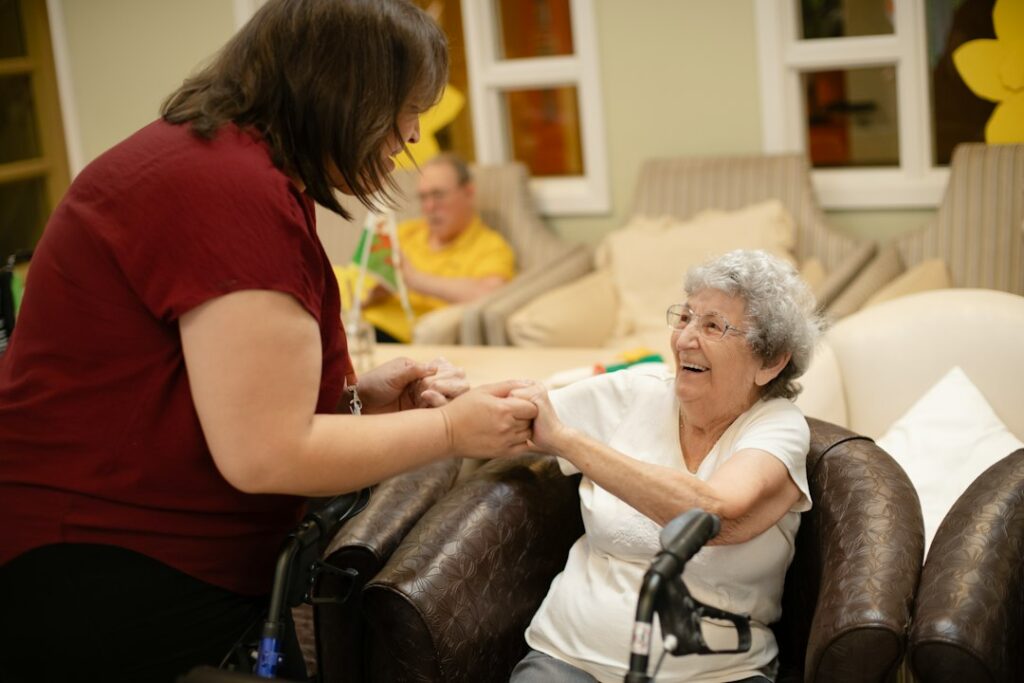
Assisted living can provide much more than housing and help with daily routines. In Norristown, PA, residents and families may expect assistance with medications, health appointments, personal care, therapy coordination, monitoring of changing conditions, and access to outside medical services.
The exact services differ by residence, resident needs, staffing, and Pennsylvania regulations. Assisted living is not the same as a hospital or nursing facility, so understanding what is typically available—and what may require outside care—helps families make informed decisions.
What health services are commonly available?
Most assisted living residences provide or arrange health-related support through trained staff, visiting clinicians, outside agencies, or a combination of these resources. Common services include:
- Medication reminders, assistance, or medication administration
- Monitoring of vital signs and changes in health
- Help arranging primary care and specialist appointments
- Support with bathing, dressing, toileting, eating, and mobility
- Coordination with pharmacies and medical offices
- Preventive medical, dental, vision, and behavioral health services
- Physical, occupational, and speech therapy when ordered
- Skilled nursing services in qualifying situations
- Hospice or end-of-life support
- Transportation or assistance arranging transportation
Some services are included as part of the basic assisted living package. Others may be separately arranged, billed, or delivered by an outside provider.
Does assisted living provide doctors and nurses?
Usually, assisted living residences are not medical facilities with a doctor living on-site. A residence may have nurses, medication aides, personal care staff, or other trained employees, but staffing patterns vary.
A physician, physician assistant, or certified registered nurse practitioner generally remains responsible for medical evaluation and treatment decisions. Residents normally retain the right to choose their primary care physician, although a residence may have rules about which outside providers can deliver supplemental services inside the building.
Nurses may help with assessment, care planning, communication with medical offices, medication oversight, wound care, or changes in condition. The amount of nursing coverage may vary by shift and by residence. Families should ask whether nursing staff are present around the clock, available on-call, or visiting on a scheduled basis.
How are medications handled?
Medication support is one of the most common health services in assisted living. Depending on an individual’s assessment and support plan, staff may:
- Remind a resident to take medication
- Bring medication to the resident
- Assist with opening containers or organizing doses
- Administer medication under applicable rules
- Track missed, refused, or delayed doses
- Communicate possible side effects or concerns to the appropriate clinician
Medication support may include prescriptions, over-the-counter products, eye drops, inhalers, topical treatments, or other therapies. Medication changes should be documented and communicated carefully, especially after a hospital stay.
Residents and families should ask who orders refills, how medications are stored, what happens after a missed dose, and how urgent prescriptions are handled during evenings, weekends, or severe weather.
What personal care is considered a health-related service?
Personal care is not the same as medical treatment, but it directly affects health and safety. Assisted living staff commonly help residents with activities of daily living, such as:
- Bathing and showering
- Dressing and grooming
- Toileting and continence care
- Eating and drinking
- Moving between a bed, chair, and bathroom
- Walking safely through the residence
- Using mobility aids
- Maintaining personal hygiene
Staff may also observe changes such as reduced appetite, confusion, weakness, falls, swelling, skin problems, or difficulty breathing. These observations can help identify a health concern before it becomes an emergency.
A resident’s support plan should describe the assistance that will be provided. Needs may be reassessed when health conditions change, after a hospitalization, or during scheduled reviews.
Can residents receive therapy in assisted living?
Many assisted living residences can arrange or accommodate therapy services when ordered by a qualified medical practitioner. These may include physical therapy, occupational therapy, or speech therapy.
Physical therapy may address strength, balance, walking, or recovery after an injury. Occupational therapy may focus on safe dressing, bathing, transfers, or adapting daily tasks. Speech therapy may help with communication, memory-related needs, or swallowing concerns.
Therapy can take place in a resident’s apartment, a designated activity area, or another appropriate setting. It may be provided by an outside agency rather than by residence employees. Families should confirm whether therapy is coordinated through the residence and whether the resident’s health insurance or other coverage is responsible for payment.
How does assisted living respond to changing health conditions?
Assisted living staff are expected to recognize and report changes, but they do not replace emergency medical care. A change in condition may lead to a nurse assessment, a call to the resident’s physician, an adjustment to the support plan, or transportation for further evaluation.

Examples of changes that deserve prompt attention include:
- A fall or repeated loss of balance
- New confusion or unusual behavior
- Fever, persistent cough, or signs of infection
- Sudden weakness or difficulty speaking
- Reduced food or fluid intake
- New or worsening pain
- Skin breakdown or an untreated wound
- Repeated medication refusals
- Significant changes in sleep, mood, or continence
Emergency symptoms—such as chest pain, severe breathing difficulty, signs of stroke, uncontrolled bleeding, or unresponsiveness—require emergency medical response rather than routine assisted living care.
Are dental, vision, and behavioral health services included?
Assisted living residences generally help residents secure preventive medical, dental, vision, hearing, and behavioral health care when those services are needed. This may involve arranging transportation, helping schedule appointments, sharing relevant health information, or coordinating follow-up instructions.
The residence may not employ dentists, optometrists, psychologists, or other specialists. Many appointments occur outside the residence, while some visiting providers may offer limited services on-site.
Behavioral health support can be especially relevant for residents experiencing depression, anxiety, grief, dementia-related distress, sleep changes, or adjustment difficulties. Families should ask how concerns are documented and how the residence communicates with the resident’s clinician.
What seasonal health issues matter in Norristown?
Seasonal conditions can affect older adults’ health and mobility. Hot, humid summer days increase the risk of dehydration and heat-related illness, particularly for people taking medications that affect fluid balance or temperature regulation. Residences may monitor indoor temperatures, encourage fluids, adjust activities, and limit outdoor exposure during dangerous heat.
Winter weather can create concerns involving cold exposure, icy walkways, reduced outdoor activity, and transportation delays. Safe indoor walking routes, appropriate clothing, hydration, and plans for medical appointments are practical considerations. Weather-related power interruptions or storms may also affect medication access and routine care.
What should families ask before choosing a residence?
A useful health-services discussion should cover more than whether “nursing is available.” Ask:
- What health services are provided directly, and which are arranged through outside providers?
- Is a nurse present overnight, on weekends, or only during scheduled hours?
- Who manages medications, refills, and medication changes?
- How are falls, infections, weight loss, or changes in behavior reported?
- Can therapy, hospice, or home health services visit the residence?
- How are primary care and specialist appointments coordinated?
- What happens if a resident’s needs become greater than the residence can safely manage?
- Which services are included, and which have separate charges?
- How are health records, support plans, and emergency contacts maintained?
The most reliable answer should appear in the residence’s written agreement, service description, and individualized support plan. Health needs can change over time, so the right fit depends not only on current services but also on how clearly the residence explains reassessment, care coordination, and transitions to a higher level of care.
